
Door materials and construction
Wood Vs Steel Garage Doors
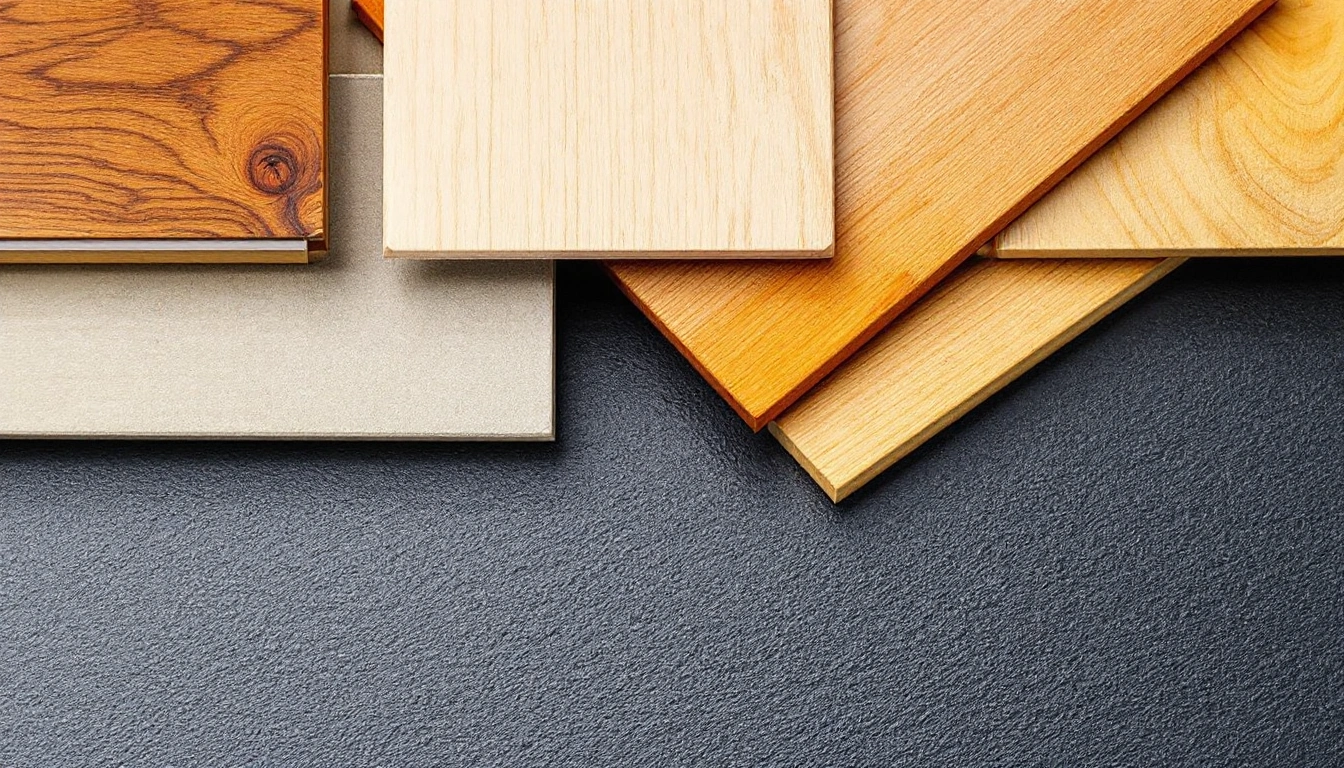
Choose natural wood when its real surface and finish duties suit your plan. Choose steel when a listed panel or wood-look option meets your needs with its specified care. Neither material name promises insulation, low upkeep or a lifespan. Match size and build, plus fitting before letting the quoted price decide.
Sections8
Last updated October 14, 2026
Wood vs steel garage doors compares look, finish care and the chosen build. Decide whether you want natural wood or just its look. Then compare exact builds, included finishing and the full installed scope.
Choose natural wood when its real surface and finish duties suit your plan. Choose steel when a listed panel or wood-look option meets your needs with its specified care. Neither material name promises insulation, low upkeep or a lifespan. Match size and build, plus fitting before letting the quoted price decide.
The comparison uses published specifications for wood and steel doors, rather than hands-on testing.
Wood vs steel garage doors at a glance
| Decision | Natural wood | Steel |
|---|---|---|
| Surface | Chosen species and grain | Coated panel; wood-look finishes may be offered |
| Finishing | Check supplied finish and ongoing care | Check coating care and permitted repainting |
| Interior build | Model-exact core and backing | Uninsulated or insulated builds |
| Thermal figure | Check the real model and basis | Check the real model and basis |
| Installed scope | Door and hardware, plus fitting, plus removal | Door and hardware, plus fitting, plus removal |
Clopay Classic Wood and Classic Steel give examples of the categories. They do not represent every offered door. Compare the real models on your offers, including options that may alter the build.
Real wood versus a wood-look surface
Natural grain is a material quality. A printed or applied wood-look surface is a finish choice on another build. Either can meet a visual goal, but they do not create identical doors. Check the surface and core, plus interior face rather than relying on a finish name.
Compare finish samples in daylight. Keep the specified panel pattern with the order; a sample cannot show the whole door.
For wood, name the species and whether the choice is paint or stain grade. For steel, name the finish and whether decorative layers or windows are part of the chosen model. This makes the price comparison exact enough to be useful.
Finish care and warranty
Read each model's care instructions before choosing. Natural wood may need finishing work that an installed package does not cover. Steel also needs right cleaning and protection of its coating. Neither choice is a reason to ignore the maker's restrictions.
Separate finish coverage from section and hardware warranties. Ask who pays for labor if a covered part needs replacement. A long warranty headline does not prove an exact service life or make two distinct finish systems equally suitable for your exposure.
Ask for a separate finish-care scope if it affects the choice. A care warning does not establish an annual cost or a percentage surcharge.
Weight and insulated build
The chosen assembly sets weight and hardware needs. A wide insulated steel door and a smaller wood door cannot be compared using a simple material rule. Have the door, spring hardware and opener connection matched in the fitting scope.
DASMA safety tips explain that tracks and sections work as a system. Loaded springs and cables, plus bottom brackets belong to trained door-system work. A higher-power opener does not resolve an incorrectly matched door assembly.
Steel families can offer several insulation builds. Wood builds vary too. Use DASMA TDS 163 when comparing section R-value with whole-door U-factor. Those ratings have distinct bases. Do not infer garage energy savings from the material alone.
Purchase price and included work
The wood cost guide separates single-width supply and installed national ranges. A broad steel band is also useful budget context, but it does not settle an exact model comparison. Match the same size, finish state and glazing before comparing written amounts.
List delivery and fitting, plus removal on its own. Record which tracks and seals, plus hardware belong in the package. Tax and permits, plus any framing changes need explicit inclusion or a distinct price. A bare supply amount can look cheaper simply because it excludes most of the job.
Use the replacement calculator to organize a broad priced scope with missing work visible. Its material bands have size unspecified. They do not assign a fixed wood premium or a steel discount for the chosen opening.
Which fits your use
Choose wood when the real material and finish matter enough to accept the care scope. Choose a steel build when its look and listed build answer your needs. If wood look is enough, compare that finish directly with the natural-wood alternative rather than treating it as a compromise by default.
Return to garage door materials for glass and overlay options. The useful decision is between fully specified doors, not between two labels stripped of their build details.
FAQ
Is steel always less expensive?
No exact purchase comparison follows from the material names alone. Size and insulation, plus decorative layers and finishing can change the scope. Compare matched written offers with fitting and removal on the same basis. Broad national bands can overlap and should not become a claimed fixed surcharge for wood or discount for steel.
Does a wood door need a stronger opener?
The chosen door's weight and size, plus balanced use set fit. Wood alone is not a full spec. Have the installer name suitable hardware and the opener rules for the real assembly. Do not use a higher-power motor to compensate for a door that binds, has damaged components or lacks a correct spring system.
Wood vs steel garage doors Verdict
Choose wood vs steel garage doors by the look and care scope you want, then match the real build. Keep thermal evidence and safe fit distinct from material labels. A full installed comparison will tell you more than an unsupported claim that one material is always cheaper or better.