
Openers and opener costs
1/2 HP vs 3/4 HP Garage Door Opener
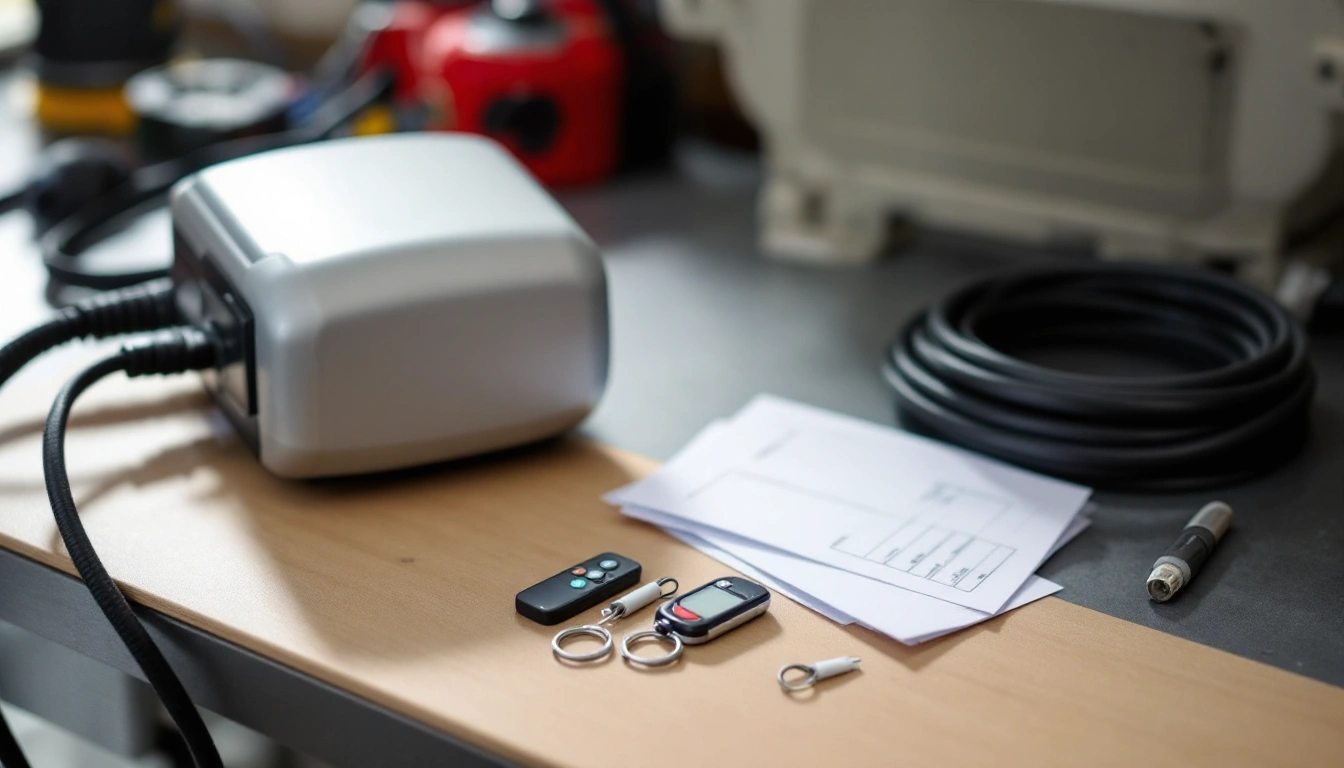
Choose from the exact model's named door size and weight limits, not a fixed horsepower rule. Genie defines HPc as horsepower-comparable on its model records. A higher label may use another rail. Features and duty scope can differ too. Match those details and keep safe door operation separate from motor choice.
Sections8
Last updated October 14, 2026
1/2 HP vs 3/4 HP garage door opener comparisons need the real meaning of the power label. Measured HP and an HPc label mean different things. Check the maker's definition. Start with a correctly working door and the chosen model's limits. Don't buy a stronger motor to overcome binding or damaged hardware.
Choose from the exact model's named door size and weight limits, not a fixed horsepower rule. Genie defines HPc as horsepower-comparable on its model records. A higher label may use another rail. Features and duty scope can differ too. Match those details and keep safe door operation separate from motor choice.
Genie's Model 3035 specifications explain its HPc label. Compare that definition and the door's fit requirements; the label alone is not a lifting test or a product ranking.
1/2 HP vs 3/4 HP garage door opener: label table
| Label or detail | What to show | What not to infer |
|---|---|---|
| HP | Maker's named motor rating and basis | A fixed fit rule for every door |
| HPc or comparable label | Maker's defined comparison meaning | Identical measured horsepower across brands |
| Door limit | Real model's size and weight scope | That a damaged door can be forced to work |
| Rail or mounting system | Supplied setup and needed space | That the motor label covers every height kit |
Genie's record defines its comparable label by the maker's lifting-force spec. Keep that explanation beside the model. A sales headline stripped of its footnote isn't enough to compare two devices on the same basis.
Door fit and working state
Record the real door's build and size. A glass door, insulated steel build and natural wood assembly can have distinct weights. Material alone doesn't show the full assembly. Use the chosen door's real spec. Equal width doesn't mean the same motor label is needed.
DASMA safety tips treat track and sections as a system. If the door is unstable or a cable is damaged, stop using it. A stronger opener doesn't repair a spring or track fault. Keep loaded hardware work in the trained door-system scope.
The unit's role must match the working door. Don't increase force to compensate for binding or bypass protection to get movement. The real manual governs safe fitting and checks. This article gives no force-setting or spring-balancing procedure.
Drive and motor type are distinct choices
The opener-type guide separates chain, belt and screw, plus wall-mount arrangements. Drive type doesn't show the same power or feature set. Two belt models can carry distinct labels and have distinct limits.
The belt-versus-chain comparison is another measure, not a replacement for fit. Compare the exact model's listed noise claims and features. No decibel test or measured horsepower test was performed for this page.
Rail, height kits and mounting space
Check the chosen model's supplied rail and listed door height. A higher power headline doesn't prove that the package covers the right length or extension kit. A unit-only store listing can leave those parts outside the amount.
For wall mount and shaft, plus door setup matter as well as side space. Compare the real model's records. A higher label on an overhead opener can't make it equivalent to a wall-mounted system with distinct rules.
Controls and backup, plus price scope
List remotes, wall control and any battery backup with the real device. Smart features can differ independently from the motor label. Check account and service terms. Some functions may need a paid plan. A network label does not show that every feature is free.
Compare unit amounts with unit amounts and fitted packages with fitted packages. If one price covers fitting and another doesn't, the motor-label comparison can't explain the whole difference. Keep removal and electrical work separate where excluded.
There is no fixed percentage surcharge here for moving from one headline to another. A real upgrade difference needs matched model offers and scope. Broad national opener bands can't price every power-label change for every brand.
When a higher label is right
A model with a higher named capacity can matter when the real door falls outside another model's listed limits. The capacity and fit record must show that. The word heavy or a wood look isn't a full spec.
If both models meet the real door rules, compare the features and terms you need. A larger number alone isn't evidence of a better purchase or longer life. Warranty coverage also has limits and should not be read as an expected life.
Return to the opener guide for the full choice. Use the replacement calculator for a door-replacement budget. The cost estimate still cannot establish actual fit.
FAQ
Is HPc the same as measured horsepower?
Don't assume that. Genie defines HPc as horsepower-comparable using its named test basis. Keep the footnote with the model and compare real door limits. A marketing headline alone can't show that distinct brands or motor types use the same measured horsepower figure or offer identical lifting and duty performance.
Will a stronger opener fix a difficult door?
No. A door that binds or has damaged loaded hardware needs its own fault check and safe repair. Don't use motor capacity or increased force to hide the problem. Keep protection working and follow the real manual. A right opener choice starts with a working door system rather than replacing its repair.
1/2 HP vs 3/4 HP garage door opener Verdict
Use 1/2 HP vs 3/4 HP garage door opener labels only with their definitions and model limits. Match the real door and supplied system. Compare features and included work after fit is clear. A higher number can't show safe operation, longer life or a fixed upgrade value by itself.