
Openers and opener costs
Cost Of Replacing Garage Door Remote
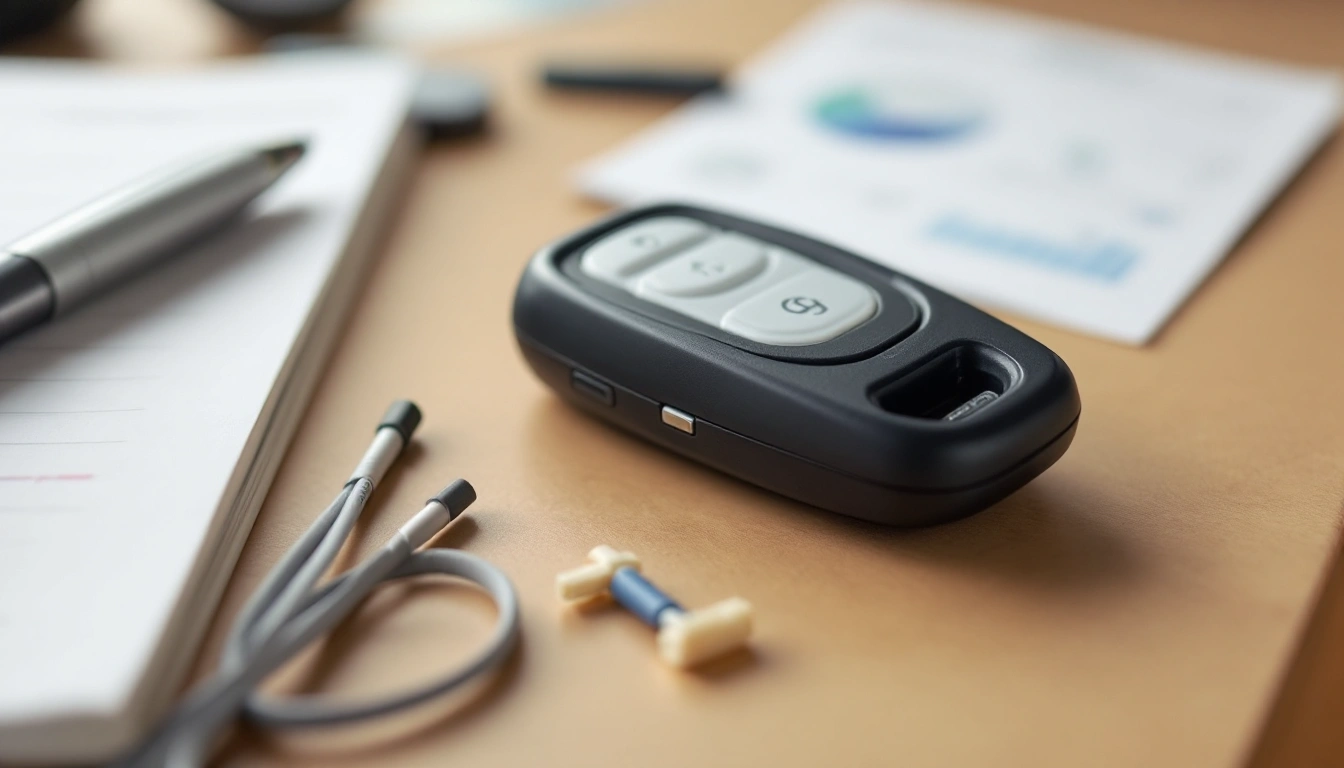
HomeGuide lists $20 to $40 per remote in its national opener guide. That is a device allowance, not a full installed service total. Keep fit and any setup visit separate. If several controls fail, a receiver or opener fault may need another fault check rather than buying more new remotes.
Sections10
- Cost of replacing garage door remote: scope table
- Show if the remote is the fault
- Match the unit and radio protocol
- First and fixed controls
- Setup, service calls and quantity
- Lost remotes and access changes
- Compare repair with a new unit
- Warranty and final offer
- FAQ
- Cost of replacing garage door remote Verdict
Last updated October 14, 2026
Cost of replacing garage door remote controls depends on fit. A service visit can add work and fees. A new remote can be a small supply purchase.
A visit for fault check and setup is a distinct scope. First check that the remote is the fault. Then check that the new model fits the unit.
HomeGuide lists $20 to $40 per remote in its national opener guide. That is a device allowance, not a full installed service total. Keep fit and any setup visit separate. If several controls fail, a receiver or opener fault may need another fault check rather than buying more new remotes.
The US-dollar cost guidance uses HomeGuide's opener guide. Confirm compatibility in the maker's records for the actual opener; a universal-remote label does not establish fit.
Cost of replacing garage door remote: scope table
| Item | Source allowance | What it covers |
|---|---|---|
| Remote device | $20 to $40 each | Broad unit-only guidance |
| Setup visit | No matched national bounded total here | Real work and service-fee policy needed |
| Receiver or opener repair | Distinct named scope | Not included in the device allowance |
| New opener package | Check its real contents | Remotes may already be included |
Don't add a new remote allowance to a package that already supplies the needed controls. If an offer covers setup too, keep that work in the package once. A general visit fee can't be inferred from the remote's low device amount.
Show if the remote is the fault
Note if a working wall control can operate the system under normal safe terms. Keep that observation separate from fault check. One failed control differs from several controls failing. But neither proves a specific electronics part is defective.
Check normal user-level items only as the real remote manual directs. Don't open mains equipment or change opener force settings to diagnose a radio issue. If the door is unstable or its protection fails, stop using it. A new remote isn't a repair for the moving assembly.
Show the symptom and model to the provider. Don't buy a replacement solely because a control casing looks like the old one. Buttons and color don't show the right radio system. A distinct model can have a similar look while supporting another opener family.
Match the unit and radio protocol
Record the unit maker and real model from a safely accessible label. Use the maker's right-control list or the new unit's named fit. A brand name alone can cover several systems and generations.
Genie's Model 3035 records illustrates model-specific control features. It doesn't make every Genie-branded or fixed device the same. Keep the real listed system and part identity on the order.
If fit remains unknown, leave the part unselected. A cheaper remote that doesn't fit isn't the same purchase as the right device. The device band can't identify the right radio system. It can't supply safe setup steps for every model.
First and fixed controls
A replacement remote from the original maker and a third-party device can have distinct fit descriptions. Compare their clear listed models, not a generic fixed headline. Read any limits and needed accessories before treating the alternatives as equivalent.
Check the functions needed for the household. A multiple-button device doesn't by itself operate every offered opener or accessory. The real right channel and device rules still matter. Keep a useful control layout separate from a claim about range or security.
No radio-range promise or security rating is invented here. The casing and button count can't prove those claims. Keep the model and source with any named feature. Don't give that feature to every remote of the same shape.
Setup, service calls and quantity
Follow the exact maker's user instructions for the real device. This article doesn't give a fixed reset or setup sequence. A reset can affect other controls. Use the right model's steps. Don't copy another system's reset.
If a provider visits, ask if the work covers fault check, the device and setup. Check if a service fee is added or credited. A unit-only amount excludes that visit unless the real offer says otherwise. Don't multiply a trip fee by the remote count without a named policy.
For several replacement devices, list quantity and fit separately from the visit. A household may need more than one control. But that doesn't show a fixed multi-device discount. Use the real offer rather than extrapolating a pack price to an installed service total.
Lost remotes and access changes
If a remote is lost, use the real system's instructions or support route to address access. Replacing the handheld unit doesn't itself show that the missing control has been removed from the system. Keep that security goal clear when defining service work.
Don't share account credentials or access codes in a public correction message. This site doesn't need them to research a fit statement. Keep device identity and access management distinct from the editorial inquiry route.
Compare repair with a new unit
A remote fault alone doesn't show that a whole unit is needed. If the receiver or control system is unsupported, compare the real repair with full replacement. Keep the parts-supply issue clear rather than using an invented age threshold.
The opener repair guide separates part faults from a whole-device purchase. The opener-type guide explains the broader choice. A door replacement budget is another scope, not the automatic cost of losing a remote.
Warranty and final offer
Check the device's own terms and any labor support. A new remote doesn't renew coverage on the unit or the door. Keep the part identity and receipt so later troubleshooting can show which control was supplied.
Ask what happens if the device proves incompatible with the named opener. Read the real return and service terms before ordering. A low headline should not hide poor fit. Check extra setup work. A receiver repair may be excluded.
FAQ
Does the remote price cover setup?
The national amount here is unit-only guidance. Setup and any service visit need their own scope unless the real package covers them. Check fault check and fee treatment too. If a new unit already supplies the needed remotes, adding another device allowance can overlap that package rather than reflect a needed extra purchase.
Does fixed mean it fits every opener?
No. Read the real device's listed models and radio-system limits. A familiar casing or brand name isn't enough. Keep the unit model and right part identity together. If fit is still unknown, don't treat a low device amount as a usable replacement or invent a setup procedure to make it work.
Cost of replacing garage door remote Verdict
Define cost of replacing garage door remote controls from the right device and real service scope. Verify the fault before buying repeated parts. Keep setup and visit fees separate from the unit amount. Buy a control that fits. A shape or universal label can't prove fit.