
Openers and opener costs
Belt Vs Chain Garage Door Opener
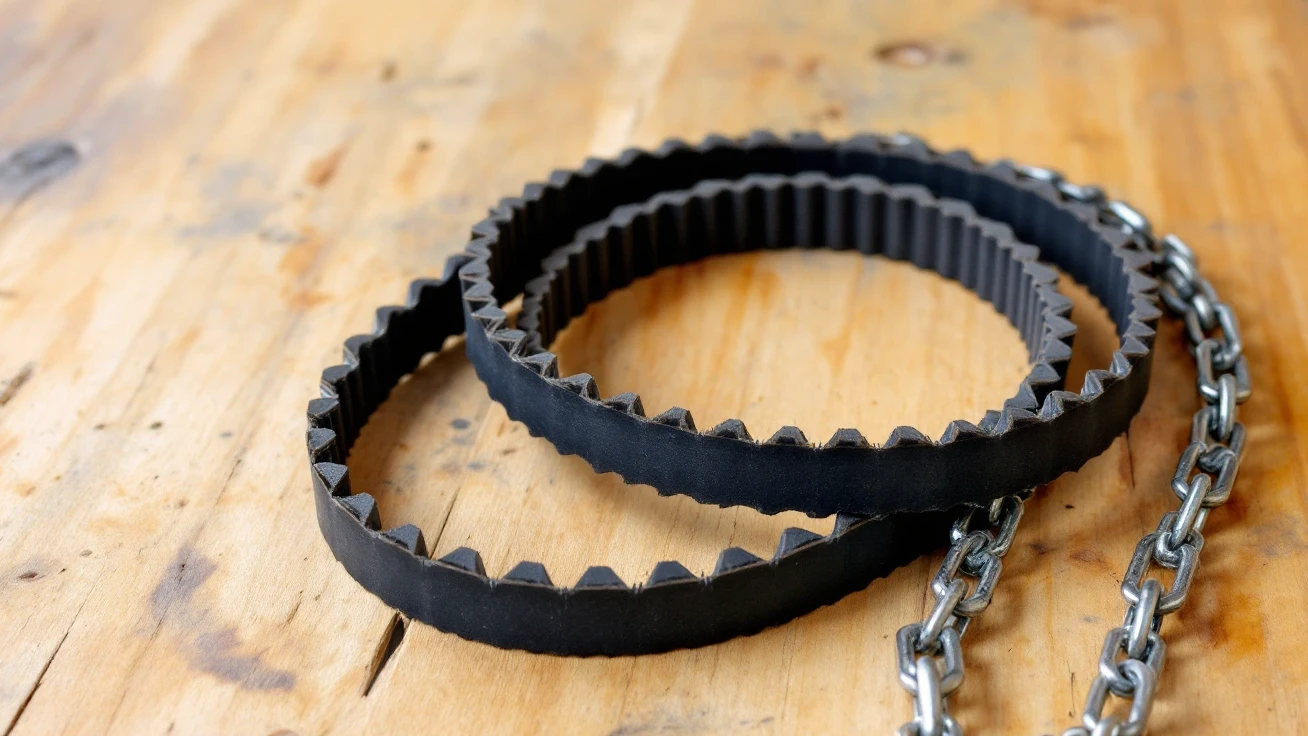
Consider belt when the maker's quiet-operation claim meets a noise goal. Consider chain when its real model and package meet your needs. Match door limits and rail, plus controls before comparing the price. Neither drive label promises a fixed lifespan or makes a damaged door safe to operate.
Sections8
Last updated October 14, 2026
Belt vs chain garage door opener choices concern the drive. But the real model sets fit and features. One drive uses a belt. The other uses a chain. Both come with a range of motors and controls. Compare the chosen device and its installed scope before judging price from the drive name alone.
Consider belt when the maker's quiet-operation claim meets a noise goal. Consider chain when its real model and package meet your needs. Match door limits and rail, plus controls before comparing the price. Neither drive label promises a fixed lifespan or makes a damaged door safe to operate.
Compare the drive types in Genie's published opener range by fit and features. The discussion below uses published specifications, not measured noise levels or hands-on tests.
Belt vs chain garage door opener: comparison table
| Detail | Belt | Chain |
|---|---|---|
| Drive element | Belt in the named rail setup | Chain in the named rail setup |
| Noise claim | Maker shows its belt range as quiet | Compare the exact model's named claims |
| Fit | Model-specific door and rail limits | Model-specific door and rail limits |
| Care | Real manual and chosen belt system | Real manual and chosen chain system |
| Price | Unit and fitting scope must match | Unit and fitting scope must match |
Motor type and backup power are separate details. Don't assume a belt label implies a specific DC motor, smart feature or included battery. A chain model can also have features absent from another belt package.
Noise and garage location
Genie uses quiet-operation descriptions for its belt models. That is maker evidence, not our measured decibel comparison. A bedroom near the garage can make sound a useful choice goal. But the full door and mounting terms also matter.
A worn or binding door may create noise unrelated to the drive. Ask if the assembly needs repair before replacing the unit to solve a sound complaint. A new drive isn't proof that a damaged roller, track or spring problem has disappeared.
DASMA safety tips explain that sections and track work as a system. Stop using an unstable door. Don't accept increased force or bypassed protection as the way to reduce stopping or noise.
Compare equivalent devices
Record each real model and its named door limits. Add the supplied rail and listed height. Then list controls and lights, plus backup power. Two units may have different features. Their price gap may reflect those extras as well as the drive.
The horsepower reference explains horsepower-comparable labels. A higher motor headline doesn't show identical capacity testing across brands. Keep the footnote and real limits with the drive comparison.
If one package covers remotes and another omits them, name that difference. If a feature needs a separate account or paid service, keep those terms too. A Wi-Fi label alone isn't a full list of listed remote functions or their ongoing costs.
Unit-only national price context
HomeGuide's opener guide, dated July 10, 2025, provides these national unit-only bands:
| Unit type | Guide range | Basis |
|---|---|---|
| Chain drive | $150 to $250 | Unit only, not fitting |
| Belt drive | $200 to $450 | Unit only, not fitting |
The same guide lists opener labor at $150 to $400. Don't add it to a package that already covers fitting. Extra-height kits, new wiring and real accessory scope may need separate amounts. The national unit ranges don't show those inclusions.
The bands overlap. Their end points are not matched prices. Subtracting them cannot show what a belt upgrade costs. Compare matched real offers for the chosen models. The opener cost guide keeps supply and installed scope separate.
Repair parts and warranty
A belt repair needs the real model and rail setup. Genie's replacement chain and belt catalog separates right parts by model and system. A generic belt length can't show the right replacement for every opener.
Read the belt replacement cost guide if a part fault triggered the choice. Repairing the real belt and replacing a full opener are distinct scopes. Compare them without assuming either drive has a fixed replacement age.
Check parts cover and labor cover on their own. A belt term may not cover every fitting charge or unrelated fault. Keep the exact record rather than turning a broad warranty headline into a promised lifespan.
Choose for your use and fitting
Choose the model that fits the door and supplies the features you need. If sound is a priority, evaluate the exact listed claim. If cost leads the decision, compare full equivalent scopes rather than the lowest bare unit.
Return to types of openers for mounting alternatives. The replacement calculator adds a chosen chain or belt unit and separate fitting guidance once. But it doesn't certify the real model's fit.
FAQ
Is belt always the better choice near a bedroom?
The maker's quiet-operation claim can be a useful reason to compare it. But there is no measured sound promise here. The door and mounting terms matter too. Compare exact model claims and the real fault if noise prompted the purchase. Don't assume a distinct drive repairs noise caused by damaged door hardware.
Does chain always last longer?
This guide has no fixed lifespan comparison for the drive types. The real model and duty, plus care instructions matter, as does parts support. Read the warranty's scope without treating its duration as expected life. A drive label alone can't show that one full system will outlast every model using the other drive.
Belt vs chain garage door opener Verdict
Choose belt vs chain garage door opener from matching models and full scopes. Keep noise claims attributed to the maker. Then compare fit and included features. Unit-only bands can start a budget. But they can't show a fixed drive premium, promised silence or a fixed lifespan advantage.