
Openers and opener costs
Garage Door Sensor Replacement Cost
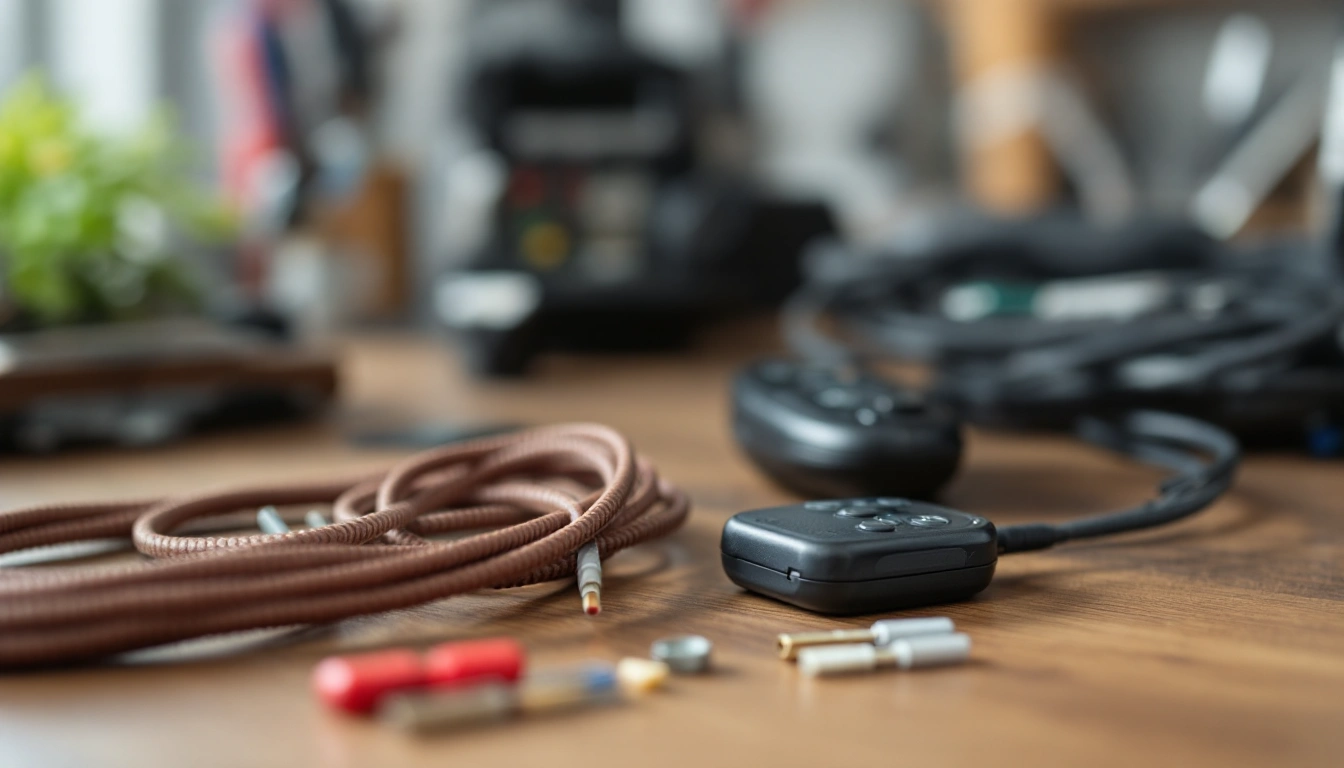
HomeGuide gives $125 to $300 for sensor replacement in its national repair guide. That is fitted repair guidance, not proof that every stopped door needs new sensors. Name the real model and right parts. Keep wiring and brackets, plus service-fee treatment on the written scope, and never bypass sensors to make the door close.
Sections9
Last updated October 14, 2026
Garage door sensor replacement cost depends on the real fault and the right protection system. A door that stops or reverses doesn't prove that a sensor is defective. A clear fault check should separate an obstruction, wiring issue or door fault from a failed device. Keep protection working while comparing the repair scope.
HomeGuide gives $125 to $300 for sensor replacement in its national repair guide. That is fitted repair guidance, not proof that every stopped door needs new sensors. Name the real model and right parts. Keep wiring and brackets, plus service-fee treatment on the written scope, and never bypass sensors to make the door close.
HomeGuide's repair guide provides the national US-dollar cost context. Maker guidance and CPSC reversal requirements inform the safety and fault-check limits below.
Garage door sensor replacement cost: scope table
| Item | National guide context | Needed check |
|---|---|---|
| Fitted sensor replacement | $125 to $300 | Real right pair and included work |
| Wiring or mounting fault | Separate named scope | Not proof the devices need replacement |
| Door or opener fault | Separate named scope | Not fixed by bypassing protection |
| New full opener | Check package contents | Sensors may already belong to its fitted scope |
The band is a national category, not an exact model quote. A part-only pair can exclude service and fitting. A full new-opener package can already cover the needed protection. Don't add a separate full sensor repair allowance where that work is already covered.
Fault check before replacement
Genie's replacement-signs guidance names several possible causes of reversal or stopping. It separates obstructions and sensor issues from other faults. Use the real model's user guidance rather than assigning a part based only on one symptom.
Observe from a safe position and keep the path clear. Follow only the maker's right user checks. Don't change force or travel settings as a generic sensor test. Don't hold or bridge devices to defeat their function. A repair must preserve the protection system.
If the door is unstable or off track, stop using it. DASMA safety tips name loaded hardware and cable hazards. That state needs a door-system repair scope even if the unit also reports a sensor-related symptom.
Right pair and real model
Record the unit maker and model from a safely accessible label. Read the right protection-device details for that real system. A same-brand pair can belong to another model family, and a similar casing doesn't show electrical or control fit.
Ask if the quote supplies the needed pair and supporting parts. Keep the real part identity and quantity with the written scope. A fixed label doesn't show fit with every opener generation. Unknown fit should stay unknown until checked.
The device's instructions govern placement and checks. This guide doesn't give a fixed mounting height or rewiring sequence. Distinct model records must not be mixed to create a generic fitting recipe. The repair provider should use the real listed setup.
Wiring and brackets, plus related work
Damaged wiring or a shifted bracket can create a distinct work scope from failed devices. Ask the fault check to name the cause. A sensor-pair amount should not hide all possible wiring or mounting repairs under one label.
If an electrical or door-system task is also needed, keep it separate. A small sensor allowance can't price a new circuit or structural support. Don't guess an extra percentage to make the total appear full. Unpriced needed work must remain visible.
For a new unit, check if the fitted package supplies the right devices and wiring scope. Old sensors may not suit a new unit. The real system rules decide that, not the desire to avoid buying a new pair.
Service fees and the full repair amount
Ask if fault check and the visit belong in the quoted amount. A provider may apply a minimum or credit the fault check toward repair. Keep the real policy rather than assuming one national fee applies to every service route.
For several replaced parts, use combined work details with non-overlapping labor. Count a shared visit fee once. Check if the package covers the parts and work. Adding a whole repair band could count that work twice. The final scope should explain what the amount buys.
Reversal and handover
CPSC's non-reversing opener guidance names reversal as a safety concern. A working sensor pair is part of a system, not the only possible safety check. Follow the real opener's rules for finish.
The handover should show normal operation and needed protection. A door that closes after a device is bypassed has not received the intended repair. Keep any remaining faults clear. This site gives no sensor-bypass or force-setting instructions.
Repair versus full replacement
A listed sensor repair can differ from replacing an unsupported old unit. If parts or control support are unavailable, compare a full fitted device. Keep the reason for that larger scope clear. A sensor symptom alone doesn't prove a whole unit is needed.
Read opener repair costs and types of openers for the alternatives. Warranty duration isn't lifespan, and the right new pair doesn't renew every old part.
Keep the part identity and service receipt with the system records. Ask who handles a problem after repair and what product versus labor coverage applies. A national price band can't show those terms for the real provider.
FAQ
Does a reversing door always need new sensors?
No. The real model's guidance and fault check must distinguish the causes. An obstruction, wiring issue or another fault can change the scope. Keep the travel area clear and stop using an unstable door. Don't bypass devices or increase force to make it close. Movement alone doesn't show a safe repaired system.
Can the existing sensors stay with a new unit?
Only the new system's real fit and fitting rules can show that. Similar casing or brand isn't enough. Check the supplied package and right part details. Don't deduct a sensor amount on the assumption that old devices can remain, and never alter wiring or disable protection to create a fit.
Garage door sensor replacement cost Verdict
Compare garage door sensor replacement cost after naming the fault and right pair. Define wiring and service fees. Then preserve the whole protection system. A national fitted range can guide the budget. But it can't diagnose reversal or justify disabling a device to make the door move.