
Openers and opener costs
Side Mount Garage Door Opener Vs Overhead
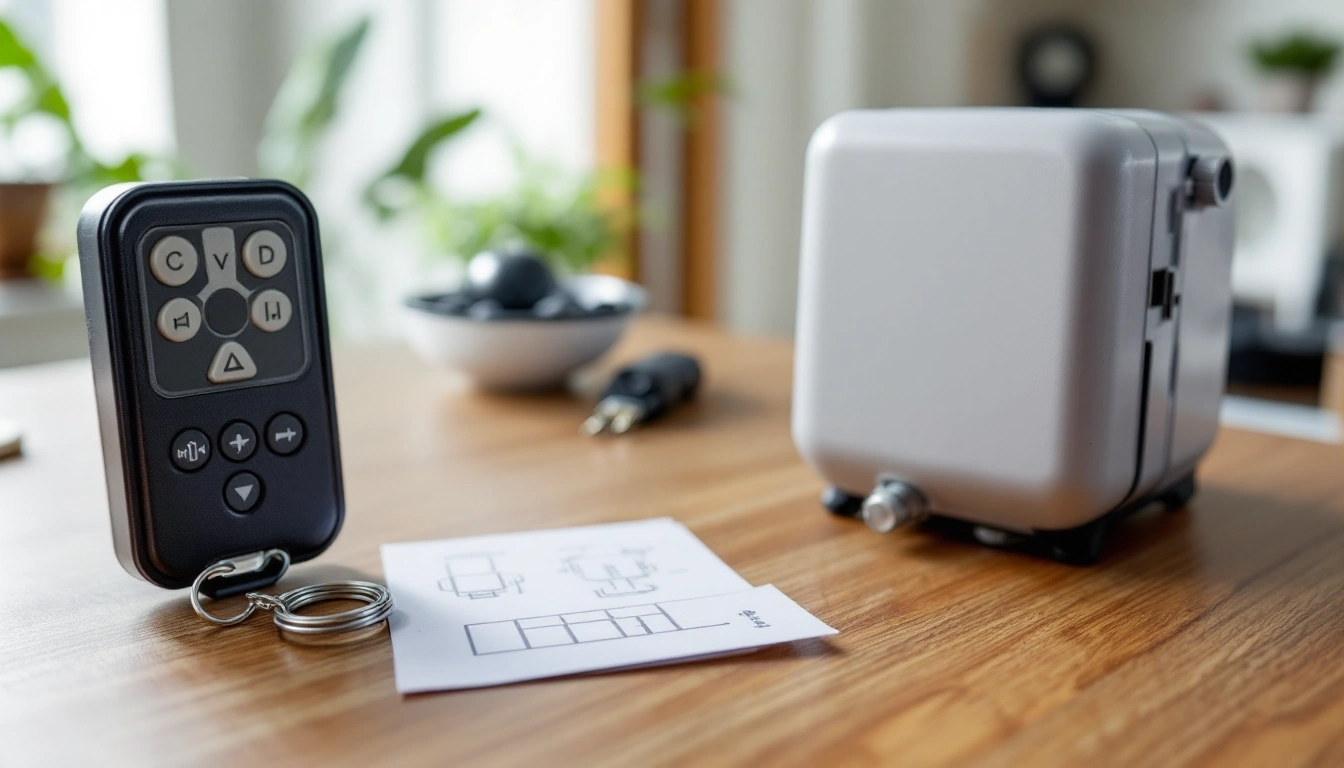
Consider side mount only when the chosen model's shaft and door, plus clearance rules are met. Consider overhead when its rail and mounting setup fit the garage. Neither is universally right. Compare the real device, electrical needs and operating protection, with needed changes priced separately from the bare opener.
Sections8
Last updated October 14, 2026
Side mount garage door opener vs overhead compares a mounting setup as well as the drive. A wall-mounted unit can clear some ceiling space. But it needs the specified door and shaft system. An overhead model has its own rail and mounting rules. Start with the real door and offered space rather than appearance alone.
Consider side mount only when the chosen model's shaft and door, plus clearance rules are met. Consider overhead when its rail and mounting setup fit the garage. Neither is universally right. Compare the real device, electrical needs and operating protection, with needed changes priced separately from the bare opener.
The LiftMaster 98022 specifications and Genie's opener categories show different mounting approaches. Compare them within DASMA's safety limits, not as a ranking from hands-on tests.
Side mount garage door opener vs overhead: fit table
| Measure | Side mount | Overhead |
|---|---|---|
| Mounting location | Beside the door on the specified setup | Overhead unit and rail setup |
| Door fit | Real model's shaft and system limits | Real model's door and rail limits |
| Space | Side clearance and needed mounting support | Headroom and backroom, plus rail path |
| Electrical work | Right supply at the needed location | Right supply at the needed location |
| Price | Device plus defined fitting and any changes | Device plus defined fitting and any changes |
The space goal doesn't show fit. A door may have a shaft visible at the side but still fall outside the chosen model's rules. Use the real manual rather than copying a general diagram or clearance figure from another device.
Door and shaft setup
LiftMaster publishes model records for its wall-mount system. Check the listed door and shaft setup against the real assembly. This article doesn't give a fixed shaft length, drum size or weight limit for every wall-mounted model.
If a specialist change to the door system is needed, price it on its own. A bare wall-mount device amount can't cover a conversion to separate hardware. Don't select parts or alter spring hardware yourself to create a fit.
DASMA's guidance explains that tracks and sections work as a system. Loaded brackets and springs, plus cables remain trained technician work. A mounting preference isn't a reason to compromise that system or assume a new motor repairs binding travel.
Ceiling, side space and access
For overhead, note the rail path and offered mounting space. Ceiling shelves, beams or other fixtures can affect the setup. Don't assume a typical rail package fits every door height or obstruction. The chosen device's manual supplies the real rule.
For side mount, note the needed side location and access to the unit. Clearing an overhead rail may serve a storage goal. But it doesn't clear the door's own travel path. Keep the remaining track and section movement in the plan.
Record access for controls and care too. A neat look in a product photograph isn't proof that the fitting suits your garage. Preserve practical reach and the needed system access instead of choosing only from a visual layout.
Power supply and new work
The chosen unit needs the right electrical supply. A socket in another part of the garage doesn't prove that wiring is ready for the new location. Define any needed electrical work and its duty separately from the unit fitting.
No wiring, circuit or structural work instructions are supplied here. The budget should name those tasks rather than inventing a percentage allowance. If a quote covers them, name the exact scope. If it doesn't, keep the total partial until priced.
Features and backup, plus manual access
Compare the real model's controls, backup power and network features. Mounting type doesn't promise those items. Check if a feature needs an extra accessory or ongoing service. A smart label alone doesn't show all remote-access functions or costs.
Follow the model's instructions for manual access. Don't release or test an unstable raised door to show that feature. A working opener can't show safe door state by itself. Operating protection belongs in the real fitting and handover scope.
Supply and installed comparison
Compare a unit amount with another unit amount only after the feature and fit details match. An installed overhead package and a bare side-mount device are distinct purchases. Needed door-system changes can also alter the check.
Read fitting costs for fitting scope and exclusions. The opener-type guide explains drive categories on its own. Wall mount isn't a fixed national surcharge to add to every chain or belt band.
Use the replacement calculator as a budget worksheet. It keeps wall-mount work unpriced until a matching allowance and safe fit are shown. A dollar range can't certify that the real shaft or assembly is right.
FAQ
Does side mount fit every torsion-spring door?
No fixed fit follows from that label. The real shaft and door, plus clearance setup must meet the chosen model's manual. Keep any needed system changes in a separate trained-work scope. A visible shaft or offered wall space can't show fit, and a bare device price doesn't cover a conversion to another setup.
Does removing the overhead rail create unlimited ceiling storage?
No. The door and its tracks still have a travel path and access needs. A wall-mounted opener can change one part of the overhead setup without removing every obstruction. Keep the real door movement and the chosen model's rules in the storage plan, rather than relying on a product photograph alone.
Side mount garage door opener vs overhead Verdict
Choose side mount garage door opener vs overhead from the real system and offered space. Check the manual before pricing the device. Then define electrical or hardware changes. Features and look can matter after fit is clear. Neither mounting type is a fixed upgrade for every garage.