
Openers and opener costs
Garage Door Opener Installation Cost
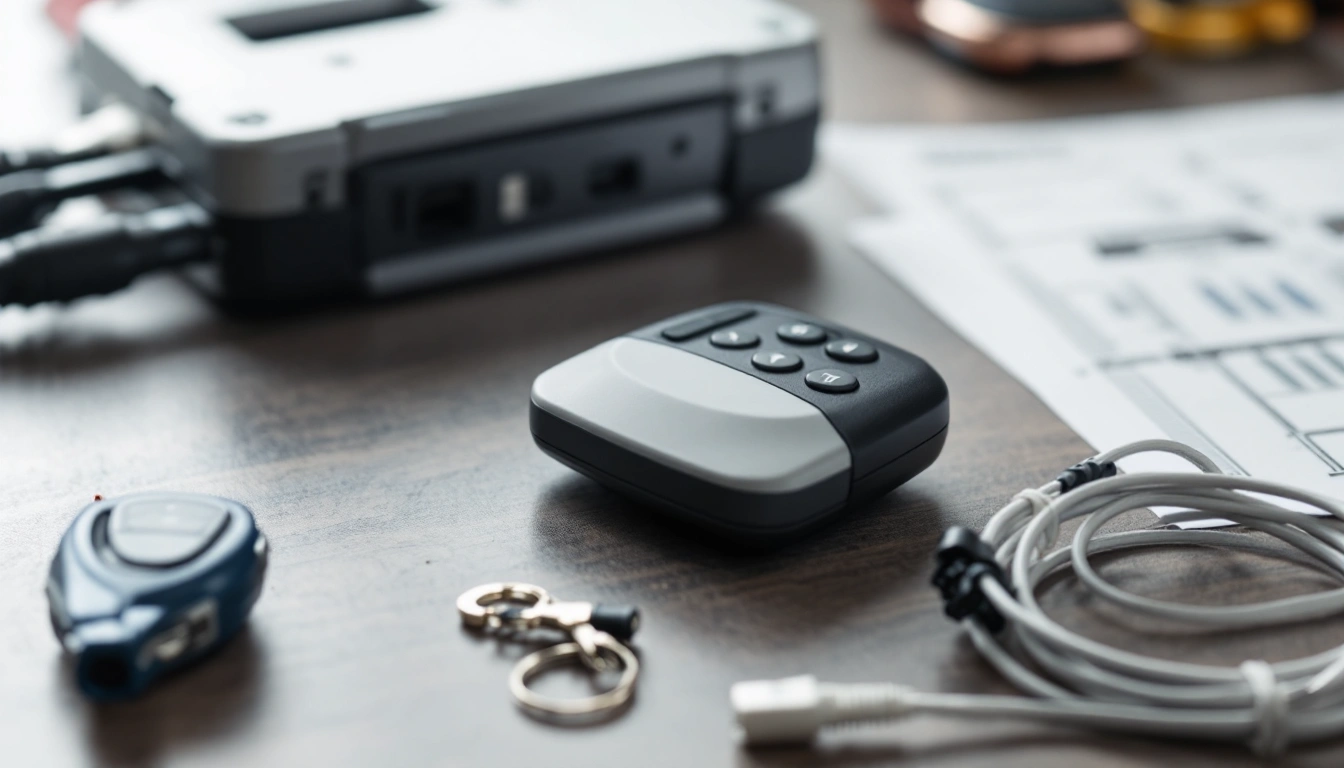
HomeGuide gives $300 to $900 for a complete fitted unit. A unit-plus-labor budget is a separate way to describe the work. Use one basis at a time. Check the actual rail and controls. Then check removal and site needs. New wiring and required door repairs stay unpriced unless the offer covers them.
Sections14
- Garage door opener installation cost: price-basis table
- Labor-only versus installed package
- Existing-unit replacement versus first fitting
- Real door fit
- Rail, height kits and clearance
- Removal and disposal
- Sensors and remotes, plus controls
- Backup and network features
- Electrical and door-work exclusions
- Build a non-overlapping budget
- Access and scheduling
- Written-offer checklist and handover
- FAQ
- Garage door opener installation cost Verdict
Last updated October 14, 2026
Garage door opener installation cost can mean labor only or a full new device with fitting. Check that basis before adding anything. A ready existing setup differs from a first fitting with wiring or door-system repairs. Define the real unit, supplied rail and included controls. Then keep removal and site work visible.
HomeGuide gives $300 to $900 for a complete fitted unit. A unit-plus-labor budget is a separate way to describe the work. Use one basis at a time. Check the actual rail and controls. Then check removal and site needs. New wiring and required door repairs stay unpriced unless the offer covers them.
Use HomeGuide's opener guide for national US-dollar cost context. Confirm technical fit in the maker's records and retain the DASMA safety limits below.
Garage door opener installation cost: price-basis table
| Published scope | Range | How to compare it |
|---|---|---|
| General opener unit | $150 to $500 | Device allowance. Fitting separate |
| Separate fitting labor | $150 to $400 | Labor scope, not another whole device |
| Full fitted opener | $300 to $900 | Alternative full scope, not additive with both rows above |
| Chain-drive unit | $150 to $250 | Narrower unit category |
| Belt-drive unit | $200 to $450 | Narrower unit category |
These national ranges are broad guidance, not exact model quotations. They cover distinct chosen products and work. We don't average them, apply a regional multiplier or use the high end as a promised local ceiling. Keep the source date and real written scope beside the amount.
Labor-only versus installed package
A labor-only offer fits a defined device. It may still need to state removal, rail assembly or controls. A full package supplies a unit and work. But exact extras depend on the real offer. The words fitting included should name which tasks belong in the amount.
If you supply the device, ask which models and packages the fitter accepts. A store purchase can exclude a needed rail extension or right control. Don't assume the lowest unit listing can be fitted within any generic labor allowance.
For a full new package, keep its device and fitting inside the base once. Adding a separate whole installed-opener band would overlap both. If the package excludes one task, add that task's real price rather than repeating another full system amount.
Existing-unit replacement versus first fitting
Replacing an existing opener can still need new right parts. Old mounting or rail items aren't automatically suitable for the chosen model. Have the scope state what remains and what is replaced. A familiar casing doesn't show identical fitting rules.
A first fitting can need another mounting and electrical setup. Genie's fitting-planning article shows those distinctions. It also notes that the door may need work before safe opener fitting.
Keep building and electrical tasks separate where needed. A ready socket in one location doesn't show the right supply for another setup. A labor-only opener amount can't price a new circuit or structural support without a real scope.
Real door fit
The unit must work with the real door assembly. Record its size and chosen build. Material alone doesn't show whole-door weight. A glazed aluminum-framed door and a solid steel door can have distinct fit rules despite a similar width.
Read the chosen opener's real door limits and label definitions. Read the HP guide. An HPc claim is not a measured HP rating. Check what the maker means by its label.
The door must function correctly before a motor is chosen to operate it. DASMA safety tips name loaded cables and brackets as hazards. A binding or unstable door needs its own safe repair. Increased motor power can't replace that work.
This guide gives no spring balancing, cable repair or force-setting procedure. Keep those tasks in the real trained-work scope. A price estimate can't show that old loaded hardware is right for a new door or unit system.
Rail, height kits and clearance
An overhead package needs the right rail setup and mounting space. Check listed door height and any needed kit. A standard unit amount can leave a taller-door kit outside the price. Keep that part identity and work with the chosen model.
Record overhead beams and storage, plus other obstructions from a safe position. Don't alter loaded supports to create space. A distinct mounting choice may need a distinct scope rather than fitting the same package wherever it appears to fit.
For wall mount, compare the real shaft and door setup with the model records. LiftMaster's 98022 page supplies records for that check. This article doesn't apply one fixed clearance or shaft rule to every wall-mounted unit.
Use the side-mount comparison before choosing a device merely to clear the ceiling. Wall space alone doesn't show fit, and any needed door-system conversion must be defined separately and priced.
Removal and disposal
Ask if the fitter removes the old device and its excluded parts. A cleanup statement can concern new packaging rather than full removal. Keep haul-away and disposal clear. If they belong in the full package, don't add another generic removal allowance.
If parts remain in place, have their right fit named in the scope. Reuse isn't a promised cost saving. A lower amount that omits a needed part can be an incomplete offer rather than a better price for the same working system.
Removal of the unit and removal of the garage door are distinct tasks. Don't assume that a unit-only job covers taking apart the door or spring system. If a damaged assembly also needs work, keep that fault check and trained repair separate.
Sensors and remotes, plus controls
Record the real protection devices and controls supplied with the new model. Older sensors or a familiar remote casing can't be assumed right. The chosen system's instructions define right parts and checks. A low bare-unit amount may exclude items covered by a full fitted package.
The sensor guide separates right parts from diagnosis. The remote guide separates unit cost from setup service. Don't add their entire repair bands if a new system already covers the needed devices and fitting.
If more controls are wanted than the package supplies, name the real right parts and quantities. A service fee should follow the provider's quoted policy, not be repeated once per handheld control. Keep setup and device amounts distinct where the offer prices them on its own.
Backup and network features
Battery backup is a model or accessory choice, not proof that every fitted package covers one. Check the named functions and real supplied parts. Backup doesn't repair an unstable door or replace the system's safety protection.
Network features can also need an account or optional services. Read the chosen model's current terms. A Wi-Fi label doesn't show every remote function or the absence of recurring costs. Don't insert an invented subscription amount where the real source leaves it unknown.
Keep credentials private. The editorial calculator needs no account details to supply a budget. Use the unit's instructions for setup. Ask the chosen service for help if needed. Keep access codes out of public messages.
Electrical and door-work exclusions
New wiring or supply changes need their own work details. A national opener labor band can't inspect the circuit or price an unknown socket task. Don't use a percentage of device cost to fill that gap. Unpriced work stays outside the subtotal until a real amount is shown.
Door repair is also separate. Track or spring issues can affect if the fitting can proceed safely. A fitter may name further work at the site check. Have the revised scope shown before treating it as included in the first installed amount.
If a new garage door is also planned, check if its package covers a unit or reconnects the old one. Adding another full opener amount can overlap that package. Retention must still be right for the new assembly. The old door's fit isn't proof for a distinct build.
Build a non-overlapping budget
For chain drive, the unit and labor lows add to 150 + 150 = 300. The highs add to 250 + 400 = 650. That gives a derived $300 to $650 subtotal for those two guide rows, before unknown accessories and site work.
For a belt-drive unit plus separate labor, the lower sum is 200 + 150 = 350. The upper sum is 450 + 400 = 850. The derived subtotal is $350 to $850 for those items. It isn't a published exact-model offer or a forecast that all belt projects fall inside that interval.
Use those calculations or the general full fitted band as a starting basis, not both. A paired purchase or discount needs its own real offer. The method explains interval summing and why unknown needed work can't be treated as zero.
Access and scheduling
Confirm when the fitter needs access to the garage. Keep the work area clear as directed by the provider. Ask if the door will be out of use during the work and how vehicles should be moved beforehand. A visit time is not a promise of job length. Parts, site checks and added work can change the plan.
Keep a copy of any changed scope. If the quoted model is swapped, check the new rail, controls and terms too. A similar price does not mean the same parts are supplied. Ask for the revised total before agreeing to the change.
Written-offer checklist and handover
| Item | Record before comparing |
|---|---|
| Device | Real maker and model, plus listed door scope |
| Rail or mounting | Supplied setup and needed kits |
| Controls | Included remotes, wall control and protection devices |
| Labor | Fitting and needed checks |
| Old device | Removal and disposal treatment |
| Extra work | Wiring, support or door repair scope |
| Coverage | Product terms and installer labor support |
Keep tax and delivery treatment too. A bare unit and a fitted package buy different things. Price the missing work before comparing them. Where the provider leaves a line unknown, keep it unknown rather than making the lower subtotal appear full.
Preserve time for the real model's operating and safety checks. CPSC reversal guidance names non-reversing operation as a hazard. A device that closes a door after sensors are bypassed has not received the intended listed fitting.
Keep the final model record and receipt. Ask what remains to be completed and who handles a later fitting issue. A product warranty can differ from labor coverage. Neither term promises how long the unit will last.
The guide to types of garage door openers explains the drive and mounting choices to settle before arranging installation.
FAQ
Should I add labor to the full fitted range?
No. That would overlap fitting already included in the full base. Use a full installed scope or non-overlapping unit and labor lines.
Add only genuinely excluded work with a real price. Controls and removal, plus new wiring still need inclusion checks. But their uncertainty doesn't justify charging for another whole unit system.
Can the old rail and sensors stay?
Only the chosen model's real rules can show compatible reuse. Similar brand or look isn't enough. Have kept items named in the fitting scope. Don't assume they are right or deduct their prices from a new package without evidence, and never alter protection or loaded hardware to create a fit.
Is electrical work included in normal fitting?
The real offer must name it. A national opener labor band doesn't show a new circuit or socket scope for your garage. Keep needed supply changes priced separately and assigned. A partial budget should name that task rather than filling the gap with a percentage of unit cost or treating it as zero.
Garage door opener installation cost Verdict
Compare garage door opener installation cost using one full price basis. Define the real device and mounting setup. Then check controls and removal.
Keep electrical and door repairs separate where needed. Count shared work once and preserve the safe handover. A unit price alone cannot price the full project.